If you have been dealing with jaw pain, headaches, or constant tension in your face, you have probably come across Botox as a possible solution. At Prime Smile, our Massachusetts dentist often hears patients ask whether it truly works or is just another trend. The truth is, Botox can be a very effective option for certain types of TMJ discomfort, but it is important to understand what it can and cannot do. We’re here to explain the benefits so you can make an informed decision.
How Botox Helps with TMJ Pain
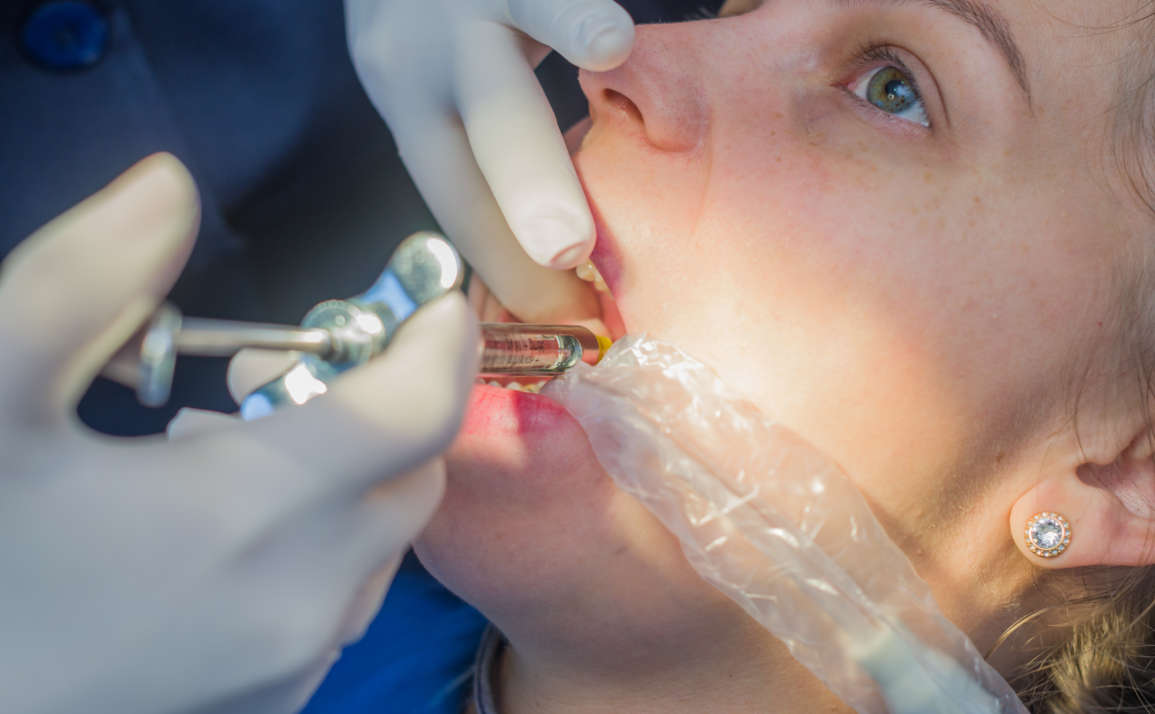
Botox works by relaxing overactive muscles. In the case of TMJ disorders, the masseter muscles in the jaw are often tight from clenching or grinding. This constant tension can lead to soreness, headaches, and even worn-down teeth. When Botox is carefully injected into these muscles, it reduces their ability to contract with the same intensity. This helps relieve pressure on the jaw and allows the area to finally relax.
Many patients notice a decrease in jaw pain, fewer tension headaches, and less clenching, especially at night. It can also help prevent further damage caused by grinding, which makes it a valuable part of a long-term care plan.
Benefits to Consider
One of the biggest advantages of Botox for TMJ is how quick and minimally invasive it is. Treatments are done right in the office and typically take only a few minutes. There is little to no downtime, so you can return to your normal routine the same day.
Another benefit is that Botox can work well alongside other treatments. Patients who have not found relief with night guards alone may notice a significant improvement when Botox is added to their plan. Some patients also appreciate the subtle cosmetic effect, as relaxing the jaw muscles can create a softer facial appearance.
Understanding the Limitations
While Botox can be very helpful, it is not a cure for TMJ disorders. It does not correct structural issues in the joint or underlying bite problems. Instead, it focuses on managing the muscle tension that contributes to pain.
That means results can vary depending on the cause of your TMJ symptoms. A thorough evaluation is always the first step to determine if Botox is the right option for you.
How Long Results Last
Botox isn’t permanent, which is important to keep in mind. Most patients begin to feel relief within a few days to a couple of weeks after treatment. Results typically last around three to four months.
For optimal results, many patients choose to schedule treatments a few times per year to maintain consistent relief. Over time, some people find that their muscles adapt and require less frequent treatments, especially when combined with other supportive care.
Prime Smile | Massachusetts Dentist
The best way to know if Botox can help your TMJ pain is through a personalized consultation. At Prime Smile, our Massachusetts dentist takes the time to understand your symptoms, your habits, and your goals before recommending any treatment.
If you’re ready to find relief from jaw pain and explore whether Botox is a good fit for you, contact our office today to schedule your consultation. Your comfort and long-term oral health are always our priority.